Pregnancy and Giving Birth in Japan: A Complete Guide for Families
Updated: Jun 2
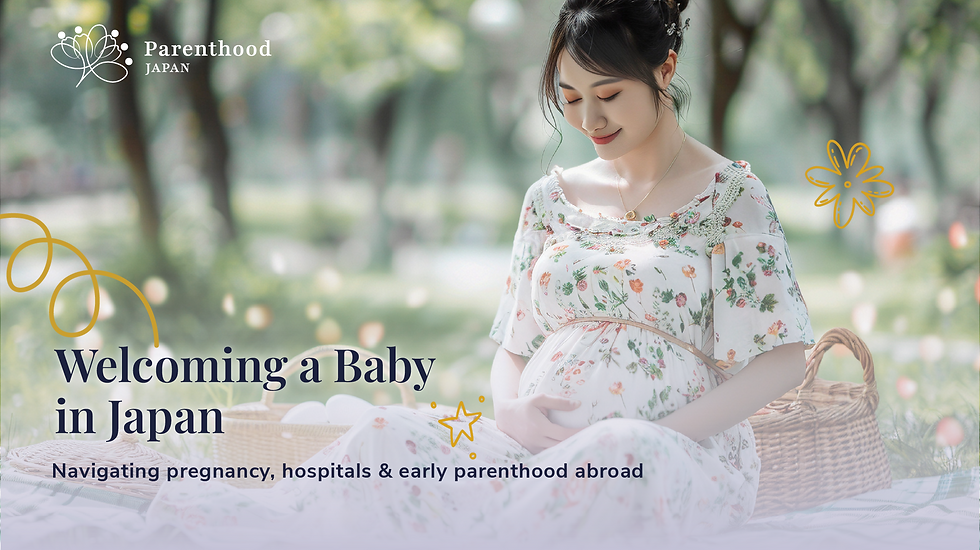
Finding out you are pregnant while living in Japan is a mixture of profound excitement and natural anxiety. The Japanese maternity system is known for its meticulous care, but navigating the process, especially without fluency in Japanese, can feel like a labyrinth. Rest assured, countless expat mothers have walked this path before you, and a supportive system is waiting to catch you.
This guide from Parenthood Japan is designed to walk you through the essential milestones, from your first hospital visit to embracing the post-partum bubble, all with a warm, mom-to-mom perspective.
The Essential First Step: The Maternity Handbook

Your first and most critical administrative step is to visit your local city or ward office (区役所/市役所, kuyakusho/shiyakusho) to register your pregnancy. This is where you receive the Maternity Health Handbook (母子健康手帳, Boshi Kenkō Techō).
More than a Notebook:
This little book is your official record, containing vital information and, most importantly, free check-up coupons. Without these, check-ups are costly.
Multilingual Support:
Request the English or a multi-language version, if available. It includes key phrases and medical terms to help you communicate with your care provider.
Immediate Benefits:
Registration also unlocks government financial benefits, including the lump-sum birth allowance (出産育児一時金, shussan ikuji ichijikin) to help cover hospital costs.
You do not have to figure it all out alone. The Tokyo Multicultural Childcare and Parenting Guide covers everything expat parents need to know, from pregnancy registration to raising a child in Japan.
Choosing Your Birth Team: Hospitals vs. Clinics
Japan offers two main types of birthing facilities, and your choice will significantly shape your experience:
Hospitals (病院, byōin)
Often attached to universities or large medical centers (e.g., St. Luke's International Hospital), these facilities are best for high-risk pregnancies or those who want guaranteed access to pain relief options, such as an epidural, which are less common in Japan.
Maternity Clinics (クリニック, kurinikku)
These are smaller, often more intimate facilities focused entirely on low-risk, natural births. They offer a strong focus on personalized care and comfortable, hotel-like rooms, though medical interventions are usually minimal.
Navigating maternity care in Tokyo as a foreign resident does not have to be overwhelming. The Tokyo Metropolitan Government's medical information page for pregnant women is one of the most trustworthy resources you can bookmark, covering English-friendly hospitals and medical support options available to expat families in Japan.
Mom-to-Mom Tip:
Research English-speaking facilities early. Popular bilingual options in Tokyo include Aiiku Clinic and Tokyo Medical and Surgical Clinic. Attend hospital tours (often called bunben kōza) to feel comfortable with the environment.
Finding the right care team in Japan starts with knowing where to look. For a more detailed breakdown of English-speaking clinics and hospitals across Japan, check out our guide on How to Find English-Speaking Clinics and Hospitals in Japan, where we walk expat families through the best bilingual medical options available so you never have to face a medical appointment alone.
Navigating Labor and Delivery in Japan
The philosophy of Japanese birth culture centers on patience, quiet encouragement, and the baby's well-being.
Pain Management:
Epidurals are not the default and are generally only offered at larger hospitals. Be prepared for a labor process that is often managed through breathing techniques (bunben kyōshitsu) and the presence of a supportive partner or doula.
Extended Stay:
Post-partum stays (nyūin) are typically longer (around 4–7 days) than in many Western countries, focusing on rest, breastfeeding support, and observation for both mother and baby. This is a blessing: embrace the quiet rest and the Japanese staff's dedication to making sure you and your baby are thriving before you go home.
The Post-Partum Period:
Embracing Sango no Hidachi
Culturally, the period after birth (Sango no Hidachi) is highly valued as a time for the mother to rest and recover completely. Lean into this cultural practice!
Focus on Recovery:
The focus is on nutritious, warming foods and minimal housework. Japanese culture provides an excellent, guilt-free excuse to let others care for you.
Community and Connection:
This is when your support network is most crucial. Connect with groups like the Tokyo Mothers Group, which hosts Baby Cafe meetings for new parents to share experiences and receive support, particularly around breastfeeding and the adjustment to motherhood.
A Gentle Reminder for the Expat Mama
Pregnancy and birth abroad are extraordinary accomplishments. You are already resilient just by navigating this journey in a new language and culture. Be patient with the paperwork, accept the kindness of the hospital staff, and never feel shy about asking for help or an interpreter. This is a beautiful time, and you are building your family's future right here, one check-up at a time.
Join the Conversation!

Join the Parenthood Japan community to share your birth story, ask questions, and connect with expat mamas who truly understand the journey.


Comments